Where Ancient Oceans Became the Ground Beneath Our Feet
Trilobites lived in ancient seas for hundreds of millions of years. This site explores what they were, the seafloors they lived on, and how that sediment became the rock, soil, and land we see today.
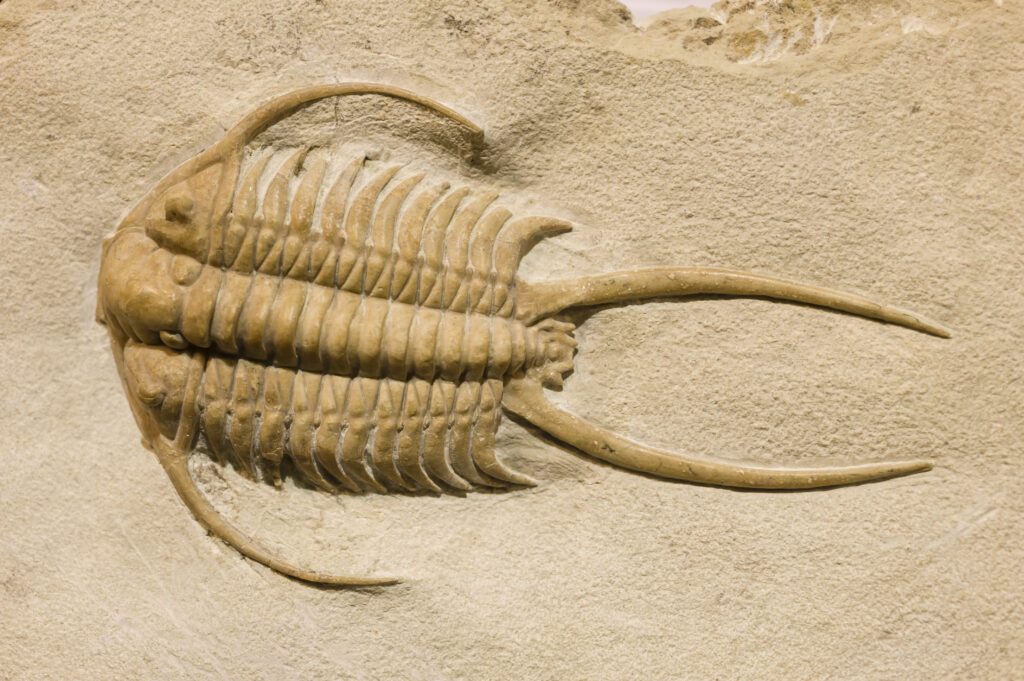
Long before there were forests, dinosaurs, or anything walking on land, the shallow seas of ancient Earth were home to one of the most successful animals in the planet’s history: the trilobite. These armored, segmented creatures scuttled and swam across ancient seafloors for hundreds of millions of years, and the mud, sand, and sediment that settled around them didn’t just disappear. Over unimaginable stretches of time, it compacted, hardened, and became the rock, soil, and landscapes we walk on today.
Weeks Trilobites is an educational site for anyone curious about that story: the ancient oceans, the seafloor sediment, the slow chemistry of rock formation, and the long journey from ancient seabed to dry land.
This site is an independent educational resource, not a museum, fossil dealer, or research institution.
What You Will Find Here
This site is organized around the story connecting trilobites to the ancient environments they lived in, and how those environments became the ground we see today.
What Trilobites Were
Armored marine arthropods that lived across an extraordinary span of geological time, from the Cambrian through the Permian, in an enormous diversity of shapes and sizes.
Ancient Seas and Shallow Shelves
Trilobites lived almost exclusively in shallow marine environments, sunlit shelf seas rich in sediment and marine life, very different from today’s coastlines in many cases.
Sediment, Rock, and Soil
How loose mud, sand, and silt on an ancient seafloor compacts and cements into solid rock, and how that same cycle eventually contributes to the soil and landscapes above ground.
From Ancient Seabed to Dry Land
Why fossils from ancient oceans now turn up far from any coastline, and how erosion, deposition, and shifting sea levels reshape landscapes over deep time.
Common Questions
Are trilobites related to any animals alive today?
They were marine arthropods, distantly related to modern arthropods like crabs and horseshoe crabs, though trilobites themselves left no direct living descendants.
Why are trilobite fossils found so far from the ocean?
Sea levels and coastlines have shifted dramatically over geological time. Land that is dry today was often covered by shallow seas in the distant past, and the rock formed from that ancient seafloor sediment can end up far inland after being uplifted and exposed.
What is the difference between sediment, rock, dirt, and soil?
Sediment is loose material like mud, sand, and silt. Rock forms once that material compacts and cements together. Soil is the weathered, organic-rich layer that supports plant life at the surface. “Dirt” is really just an informal word for soil or loose sediment.
Where should I start if I am new to this subject?
The article “What Were Trilobites and Where Did They Live?” is written as a beginner-friendly starting point.